Wilhelmina Roos
Independent researcher & writer
About
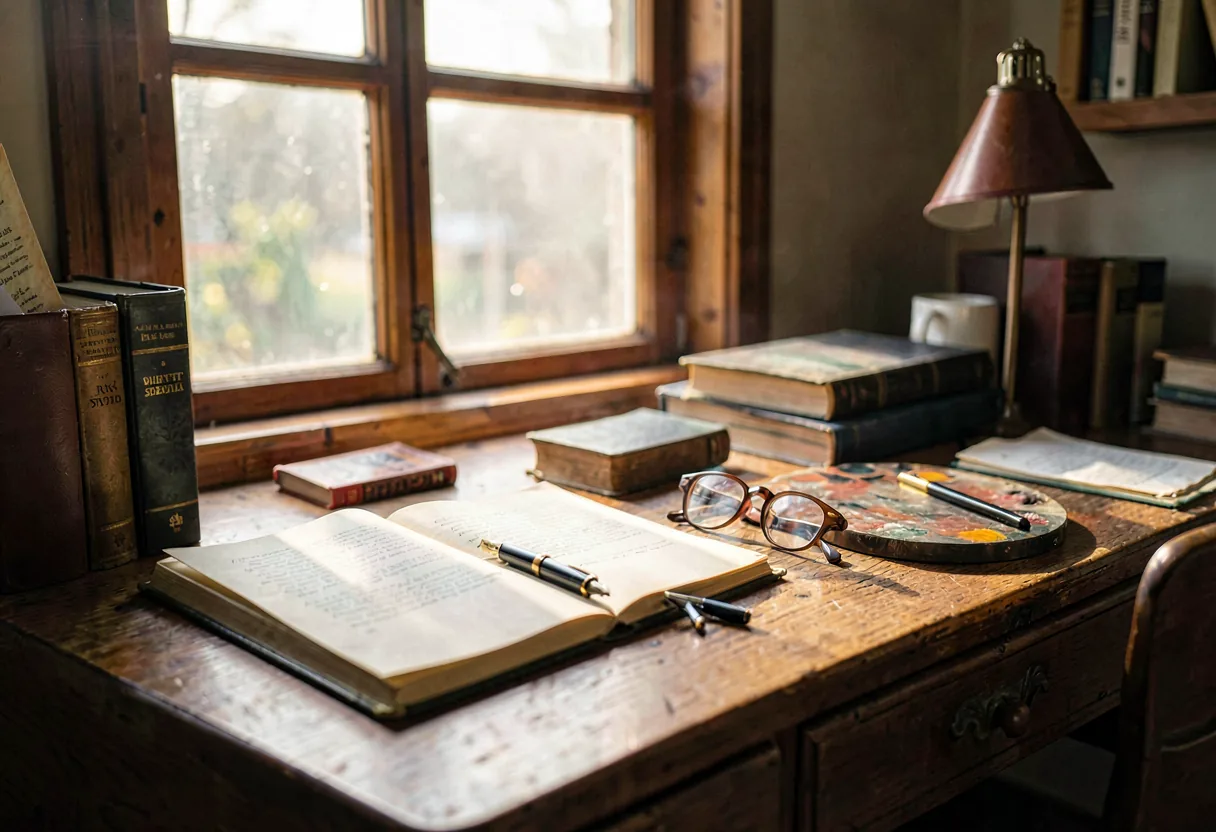
I am an independent researcher and writer working at the seam where the history of science meets the history of reading. For the better part of a decade I have followed marginalia, discarded drafts, and the quiet apparatus of footnotes to ask how knowledge is actually assembled — not in the tidy account a finished book gives, but in the false starts and revisions that come before it. I write essays, commissioned reports, and the occasional long piece, and I keep a slow correspondence with the archivists who patiently put up with my questions.
- The history of reading and annotation
- The material culture of the archive
- Footnotes, indexes, and other reading machines
- Amateur naturalists and their notebooks
- How rough drafts become finished arguments
Work
Most of my work arrives as a commission — a museum wants an essay to sit beside an exhibition, a journal wants a longer piece, a press wants a reader’s report. I take on only a small number each year, so that each one can be read slowly and argued through properly.
- The Annotated Century — a long essay on marginalia, 2025
- Reader’s reports for two university presses
- Loose Leaves — a column on archives and reading
- An exhibition essay for the Provincial Museum
- Field notes toward a book on amateur naturalists
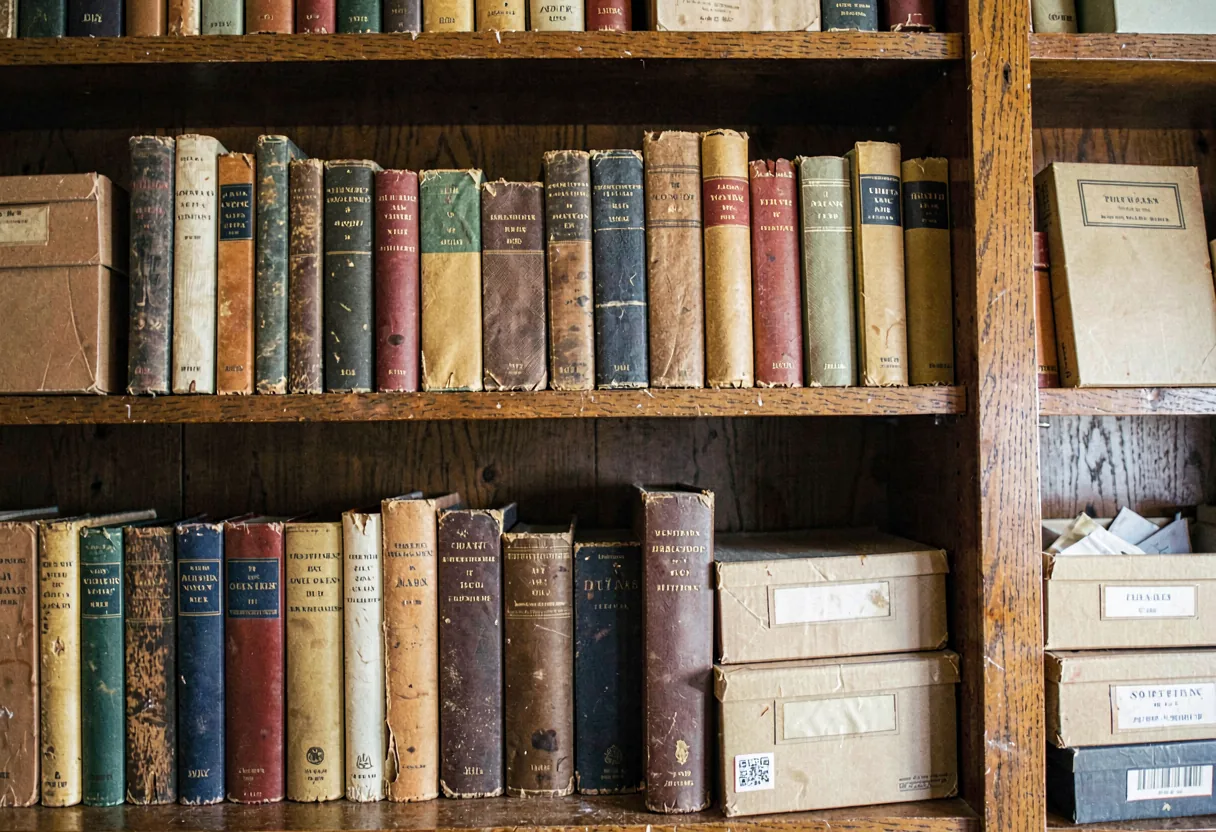
When a project needs images as much as words I collaborate with photographers and conservators, and over the years I have learned to write captions that carry their own weight rather than merely pointing at the picture beside them.
Notes
Between commissions I keep a working notebook in public — short notes on whatever I happen to be reading, provisional and often wrong, offered less as conclusions than as an invitation to argue with me about them.
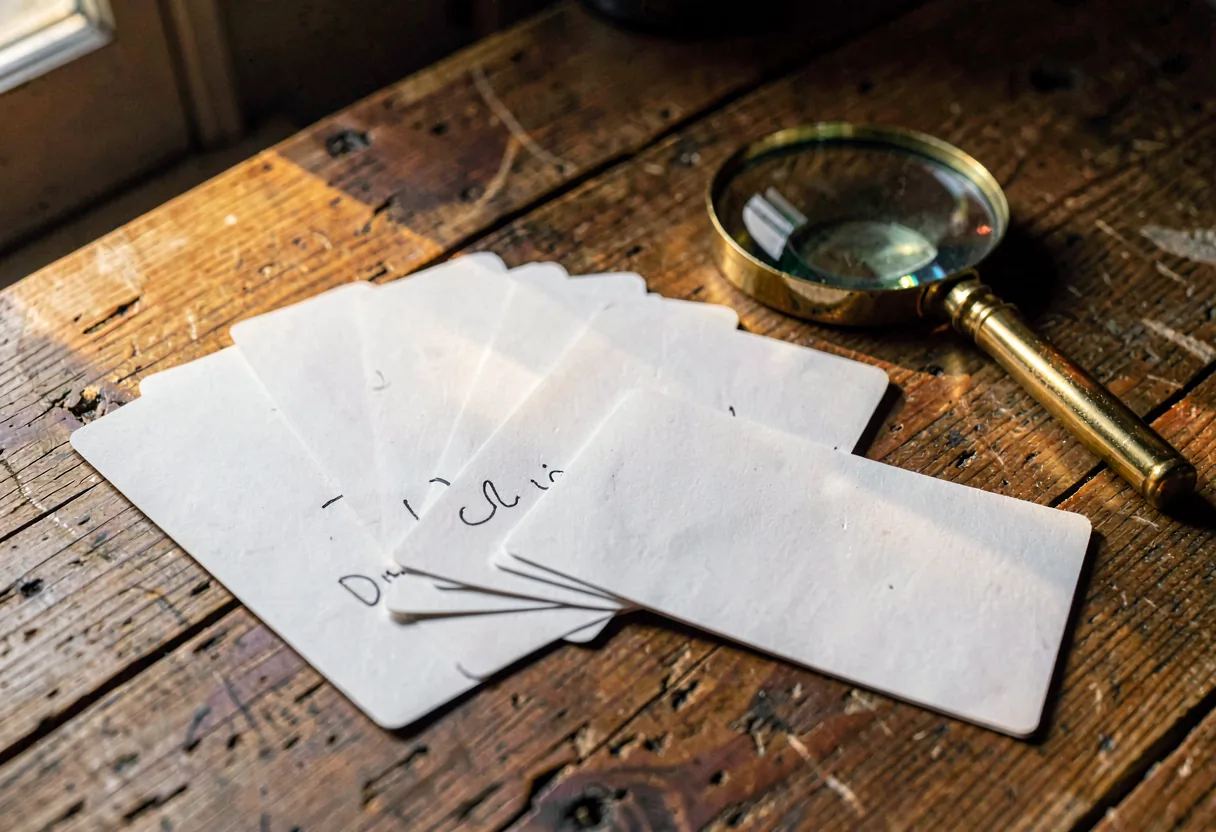
- A fountain pen and far too many index cards
- Zotero, kept tidy against my nature
- A flatbed scanner for the fragile pages
- Plain text, version-controlled, no distractions
- Interlibrary loan, requested patiently
None of these matter half as much as time. The single luxury this work truly requires is the freedom to sit with a difficult source until it gives something up, to read the same paragraph a dozen times over, and to resist the pressure to publish before an argument has actually earned its confidence.
Elsewhere
I am easiest to reach by email, and I post occasional notes and reading lists in the places below. I answer slowly, but I do answer.